Our Blog

Toothpaste Guide

December 28th, 2016

Between the huge number of toothpaste brands on the market today, the different flavors, and claims from most to do different things, it isn’t surprising that people feel so confused when it comes to something that should be as simple as buying a tube of toothpaste. This guide will help you identify the common ingredients in toothpaste, and help you understand the important factors to consider before buying toothpaste again.

Toothpaste comes in gel, paste, and powdered forms. When it comes to the type of toothpaste, the choice is more a matter of preference.

Basic Ingredients

  • Abrasive Agents – Abrasive agents are the scratchy substances added to toothpastes to help in the removal of food particles, bacteria, and minor stains. Calcium carbonate is one of many abrasive materials, and arguably the most common.
  • Flavor – When toothpastes are flavored, they almost always have artificial sweeteners to enhance the flavor of the toothpaste and increase the likelihood that you’ll use it. Flavors run the gamut from traditional mint to cinnamon that may appeal to adults, and bubble gum or lemon lime – flavors to target children.
  • Humectants – Humectants are moisturizing agents that keep paste and gel toothpastes from drying out. Glycerol is commonly used as a humectant.
  • Thickeners – Thickeners are used to give toothpaste its distinctive consistency, and to make it maintain a uniform consistency and come out of the tube easily.
  • Detergents – Sodium lauryl sulfate is the most common detergent used in products that foam up, like toothpaste does in your mouth.

What to Look For in Toothpaste

Fluoride is naturally occurring mineral. It is the most important ingredient to look for in a toothpaste. Although there are people who argue against using fluoride toothpaste, dental professionals like Dr. Dennis Johnson emphasize that the fact that the incidence of tooth decay has decreased so significantly in the past 50 years is because of fluoridated toothpaste.

The suggestion that fluoridated water gives you enough fluoride to protect your teeth is wrong. Fluoride toothpaste is the best cavity protection there is. In addition to strengthening tooth enamel and protecting teeth from acid erosion (from acidic foods and drinks,) it remineralizes the surfaces of teeth that are suffering from early acid damage and may prevent developing tooth decay from worsening.

Tartar Control

Tartar is the result of hardened plaque buildup on the teeth. Good oral hygiene and in between twice yearly cleanings from a dental hygienist are the best defense against plaque buildup. Plaque turns to tartar when people neglect their oral hygiene. Over time, tartar can build up on teeth and under the gums, increasing the risk of gum disease.

Your best bet is to use a toothpaste that has a combination of anti-plaque agents. Products containing more than one plaque reducer may be more effective than products that only one. Common ingredients to look for are zinc citrate or pyrophosphates. Triclosan is an antibiotic that is believed to kill bacteria in the mouth, and it can be found in some anti-plaque toothpaste.

Look for toothpaste that bears the seal of the American Dental Association. That seal is an endorsement of the ADA – and it means that many dentists agree that that particular toothpaste does what toothpaste is designed to do. We can also recommend toothpaste to meet your specific oral health concerns at your next visit to our Columbus, OH office.


Sugar and Your Orthodontic Treatment

December 21st, 2016

One word no one likes to hear is “cavity!”

For those patients of ours wearing braces, hearing that word is especially problematic, considering that delaying any dental work may result in delaying treatment time.

We often blame candy as the culprit behind tooth decay, but other foods and drinks that kids consume can be just as harmful to their teeth, and can lead to cavities and tooth decay. Keeping your teeth or your child’s teeth from decay during treatment starts with a proper diet, and today, our team at Johnson Orthodontics will explain the negative effects that candy and other treats, including peanut butter, raisins, fruit juice, and chewy fruit snacks, have on your child’s teeth as he or she undergoes orthodontic treatment. Keep in mind that half of your child’s sugar intake may be coming from beverages that he or she drinks. A major offender is soda, but be mindful of fruit juices as well.

While sugar is known to sit in your child’s teeth and in between and under brackets and wires after consumption, it is important to know sugar is not the only cavity-causing culprit. Carbohydrates, starches, acids, and any food that is chewy or sticks break down into sugars, and can promote tooth decay.

So, what are the alternatives?

Candy such as dark chocolate, sugar-free gum, or anything that contains xylitol, a sugar substitute, is not as harmful for your teeth as hard, chewy, or sticky sweets. Sugar-free gum or gum that contains xylitol are known to reduce levels of bacteria on teeth.

And if you’re still looking for something to snack on, we recommend cutting up easy-to-eat fruits and vegetables. You would also be surprised how much eating a banana or sipping on a glass of water helps you curb snack cravings.

If you’re one of those folks who just can’t stay away from sweets, we encourage you to brush your teeth immediately afterward and swish water in your mouth.

Whatever you eat, Dr. Dennis Johnson and our team want you to remember to brush often, floss regularly, and visit your general dentist as your treatment progresses. If you have any questions about sugary foods or drinks, please give us a call or ask us during your next adjustment visit!

What should we blog about?

December 7th, 2016

As a patient at Johnson Orthodontics, your opinion matters! Dr. Dennis Johnson and our team love hearing what our patients think about our practice and the services we provide, and now we want to know, what do you think we should blog about?

Perhaps there’s a treatment you’ve always wanted to know about, or you’d like to learn about a specific way to improve your health and smile. Whatever your idea, we’d love to hear about it! You can let us know by posting here or on our Facebook page!

How to Floss with Braces

November 30th, 2016

The Johnson Orthodontics team knows that oral hygiene is important, whether you have braces on your teeth or not. But if you are a person who wears braces, caring for your teeth and gums can become somewhat challenging. Without daily oral hygiene practices, you may become prone to cavities and tooth decay during your time in braces.

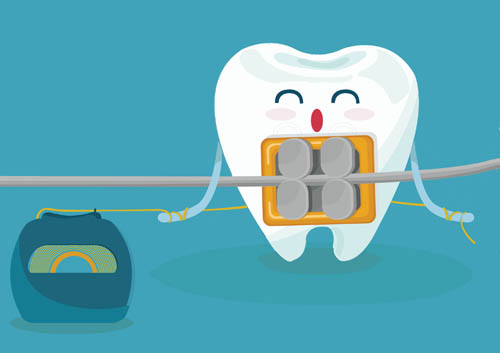
Naturally, you know that brushing your teeth each morning and night, as well as after you eat, will help keep your mouth healthy and clean during the months you wear braces. But flossing is also an important part of your hygiene routine. Flossing with braces can be tricky, but it’s not impossible. Dr. Dennis Johnson, your general dentist, or your dental hygienist can help you become more comfortable and adept at flossing your teeth during the months you wear braces.

Flossing Tips for Those with Braces

  • Use Tools Provided by Our Office. A floss threader is a small, plastic needle that will help you floss between the wires and your teeth. Thread a 12-to-18-inch piece of floss onto the needle, and use the needle to get the floss easily behind the wires.
  • Flossing Under the Wires. Once the floss is behind the wires, use your hands to manipulate the floss. Move it up and down along the wires to remove food particles.
  • Flossing Between Your Teeth. Floss between your teeth as you normally would without braces. Move the floss up and down between your teeth, using a clean section of floss for each tooth.
  • After You Finish Flossing. Your orthodontist may have suggested that you use a water pik or proxy brush after you finish brushing. Either of these tools will help remove any loosened food particles to ensure that your teeth and braces are clean.

Continue Good Oral Hygiene Habits

Good oral hygiene habits you use while wearing braces will help you achieve the beautiful smile you and the Johnson Orthodontics team have been working toward. Once your braces are off, it may be tempting to slack off on the brushing and flossing. Don’t let yourself fall into any habits that will have a negative impact on your oral health or the attractive smile you waited for throughout the months you wore braces. See your general dentist for regular cleanings, and continue to brush and floss your teeth each day.